
Location:
The Hague (including Leidschendam-Voorburg and Rijswijk)
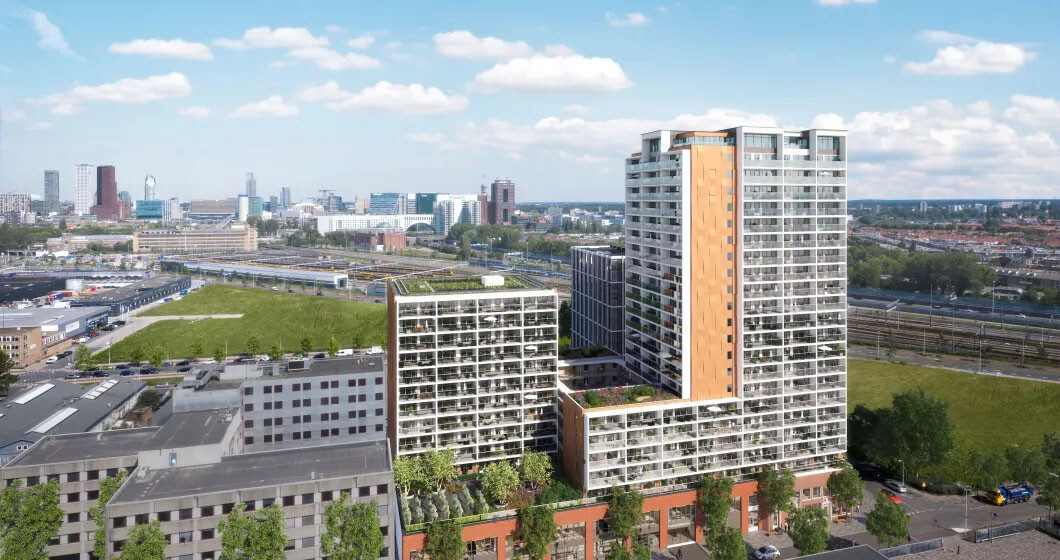
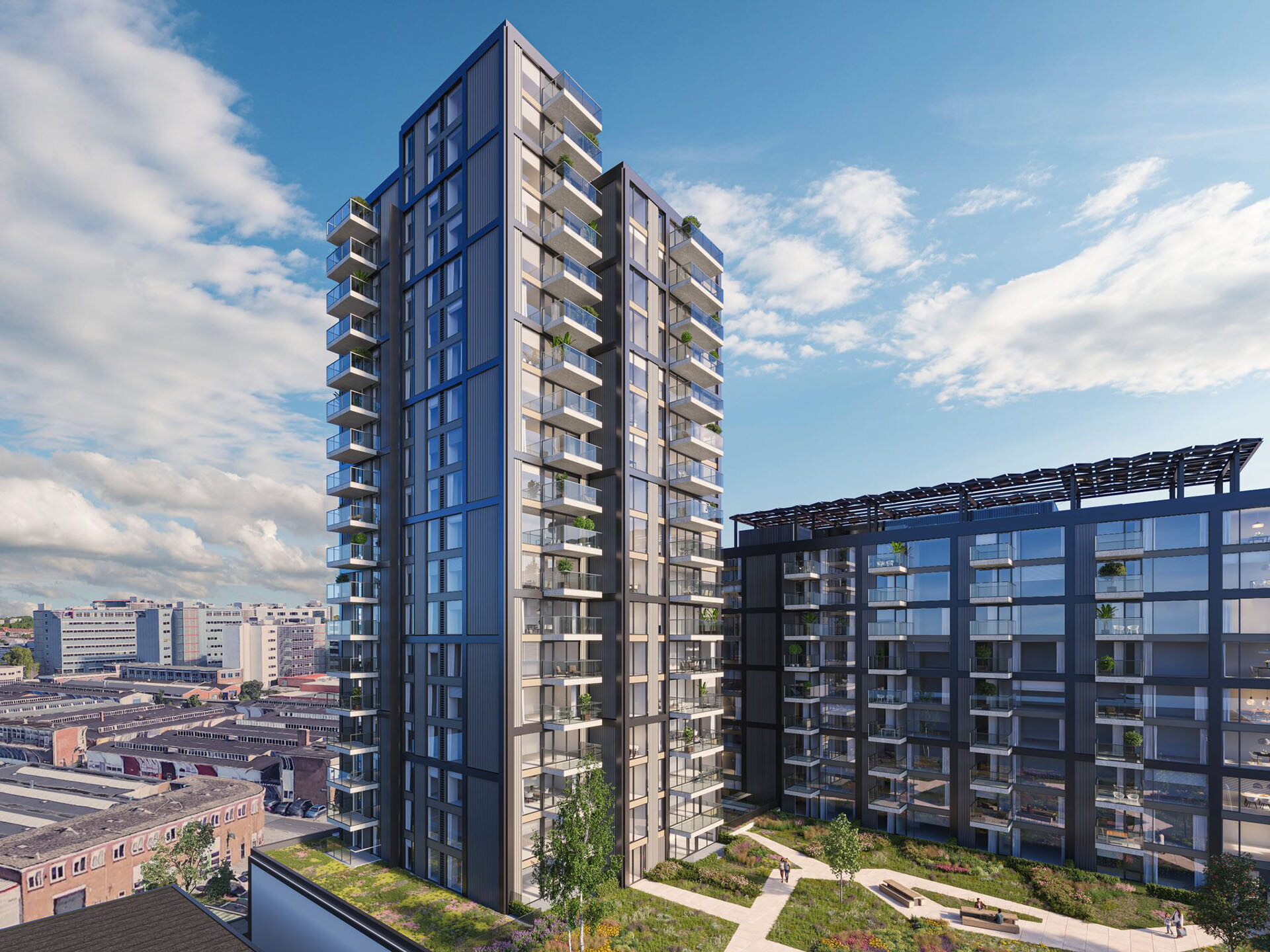
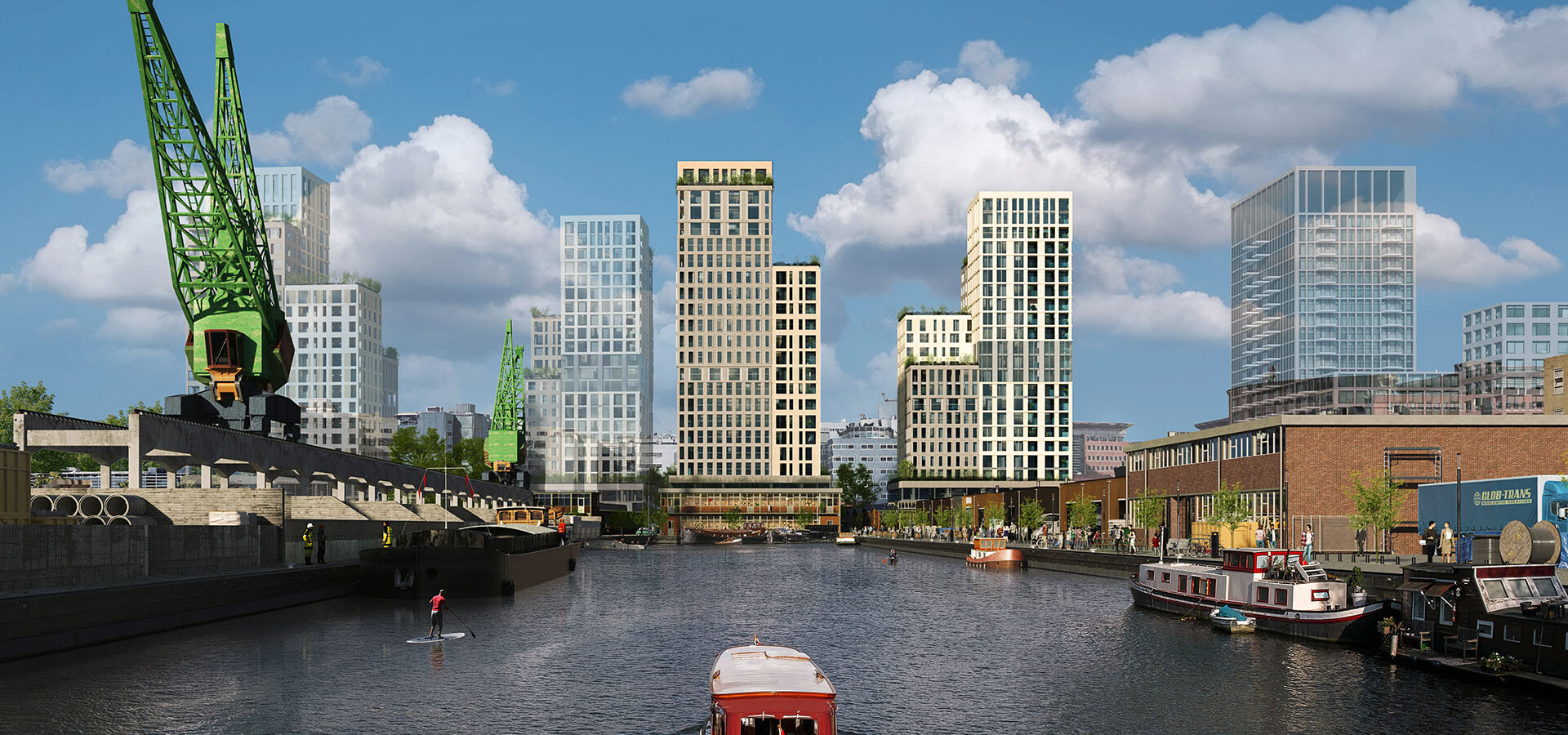
A nationally recognised breakthrough location, transforming from an industrial estate into a high-density urban district with the potential for more than 12,500 homes.
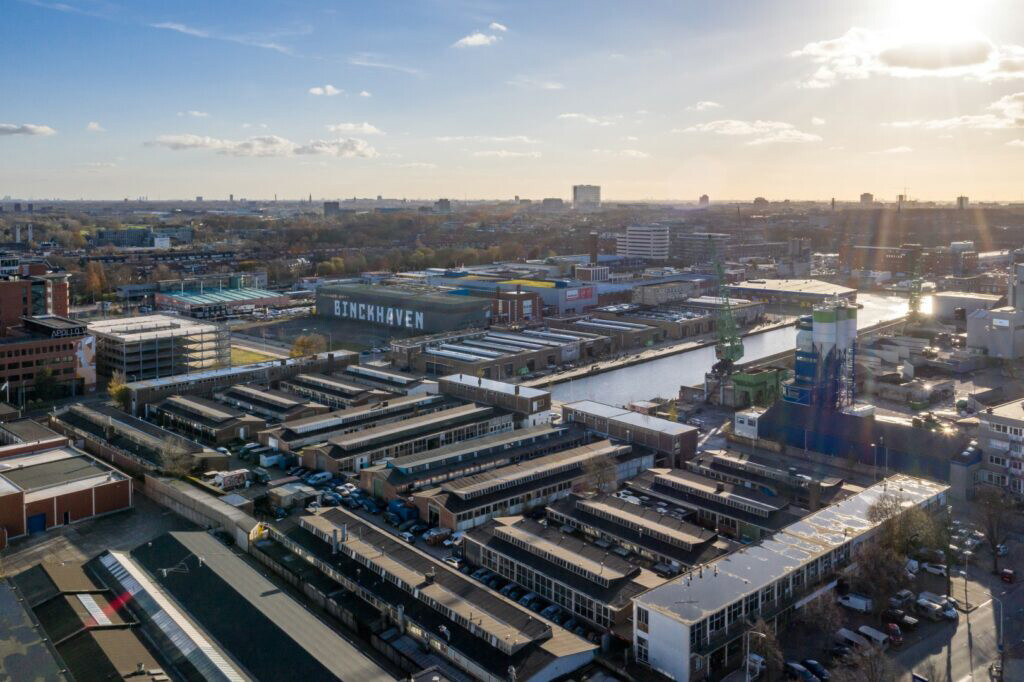
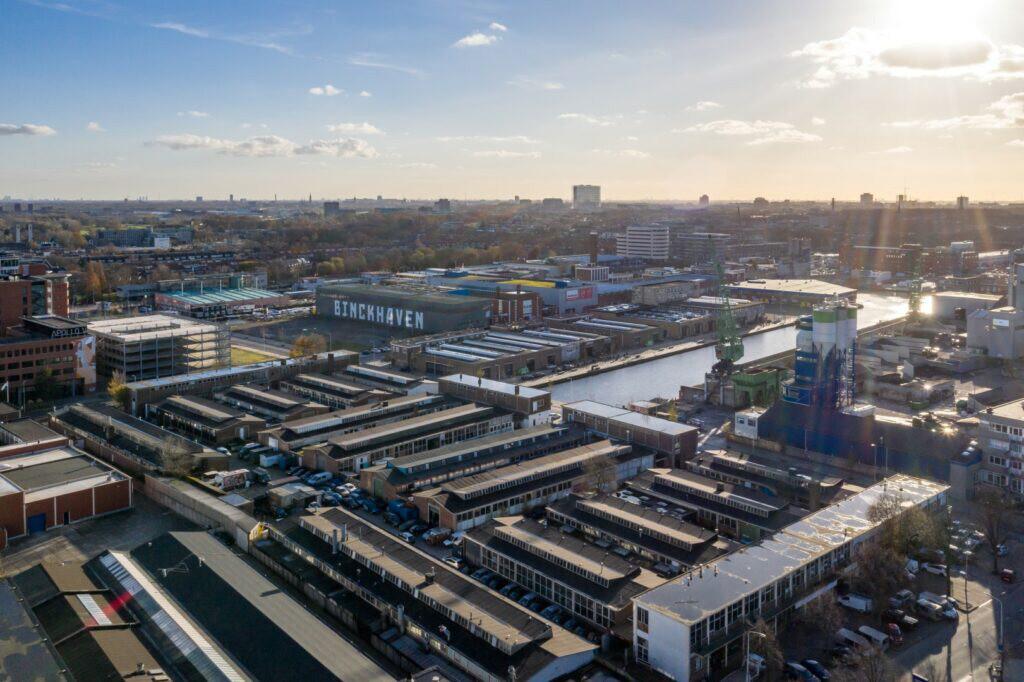
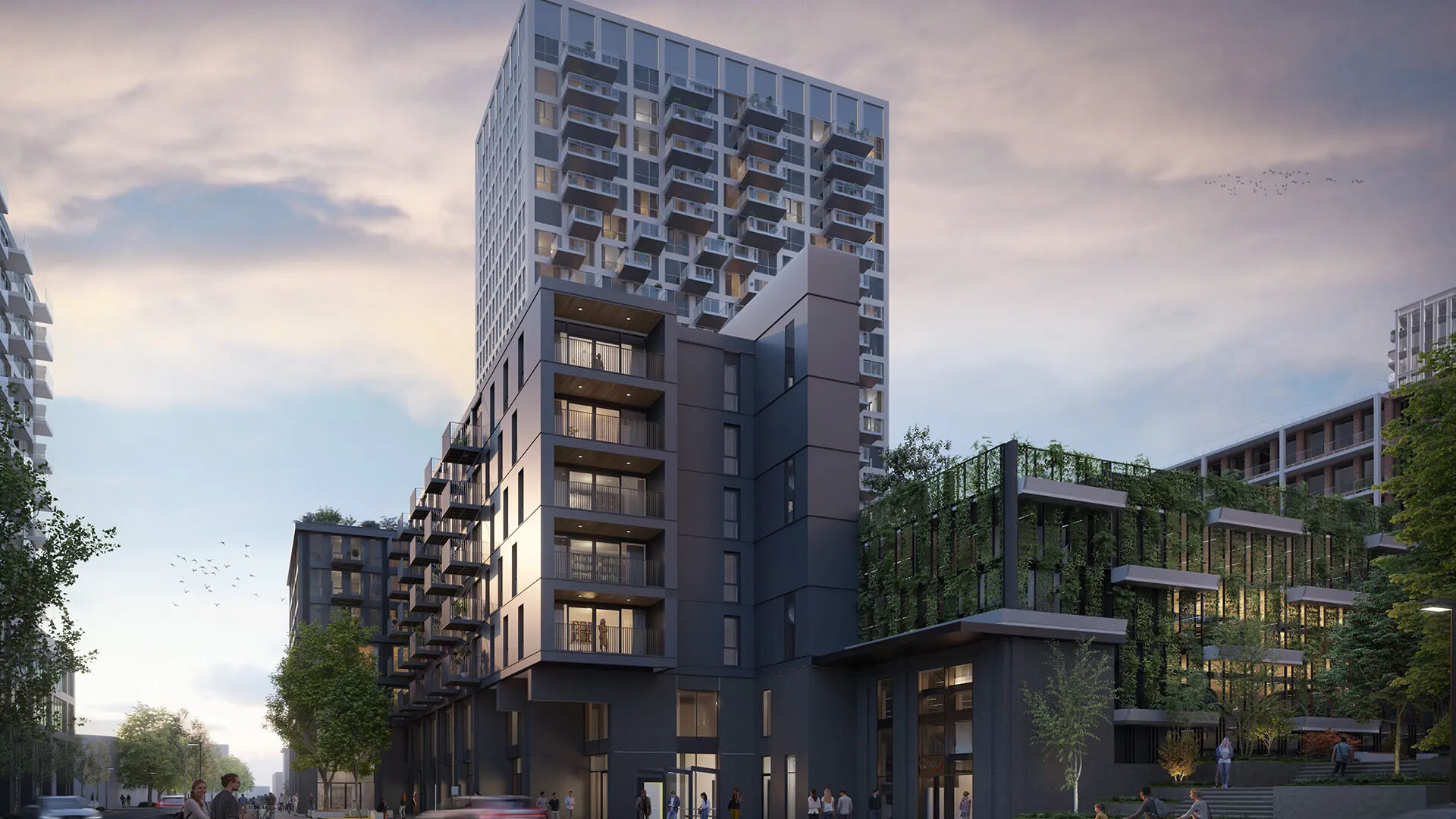
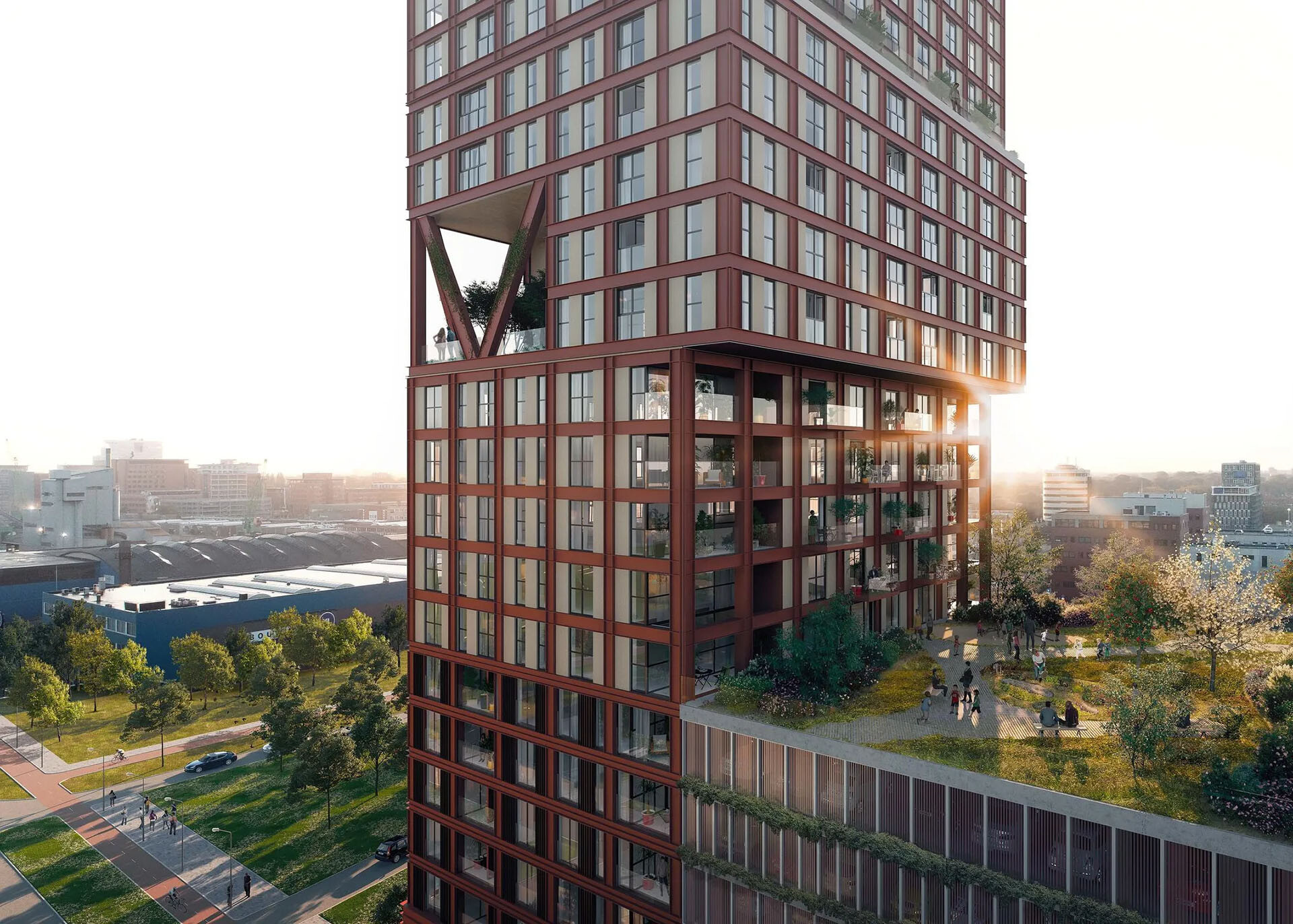
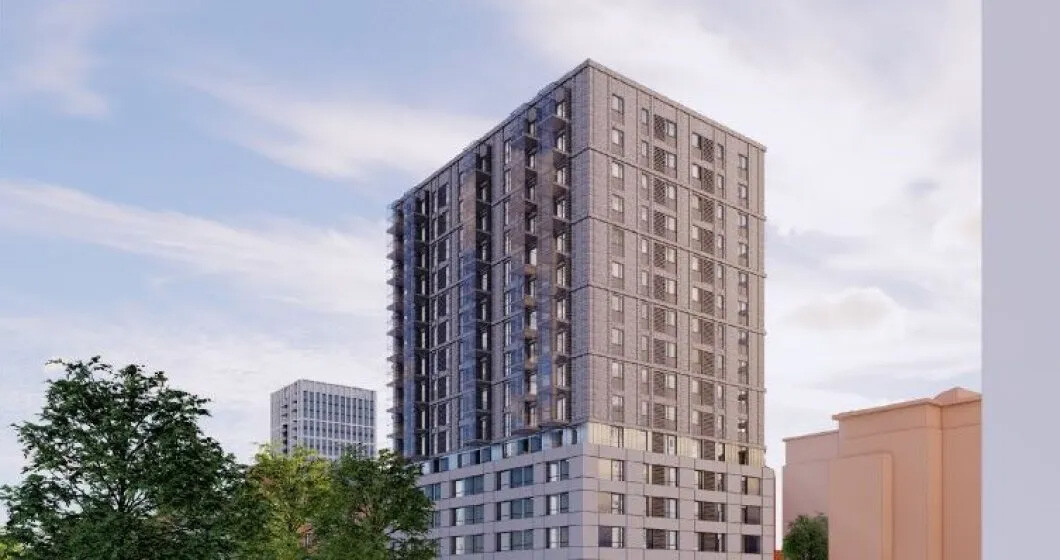
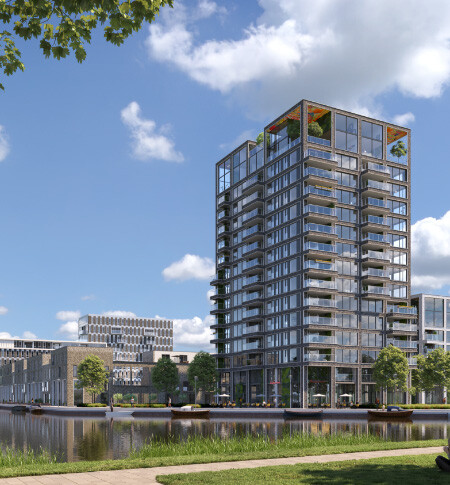
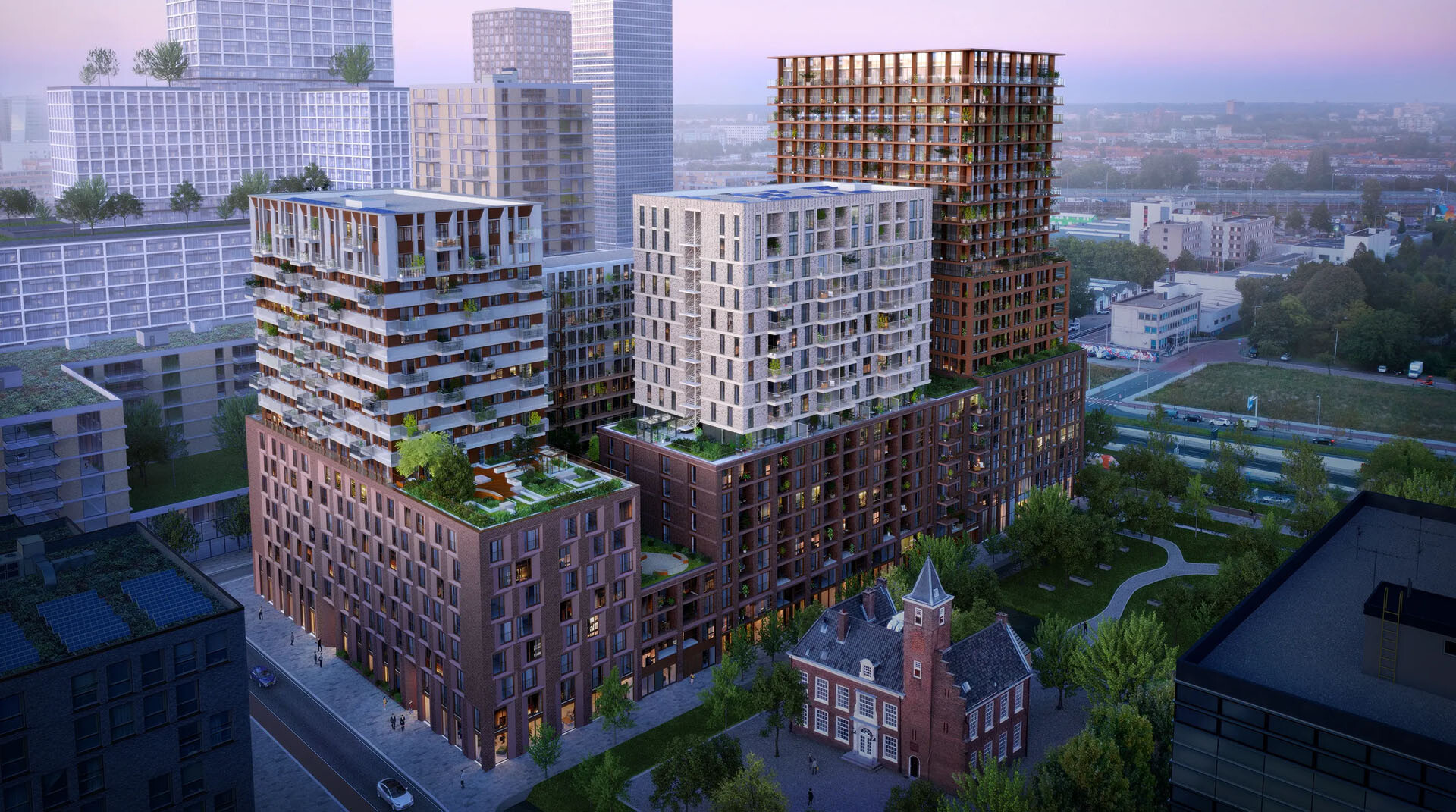
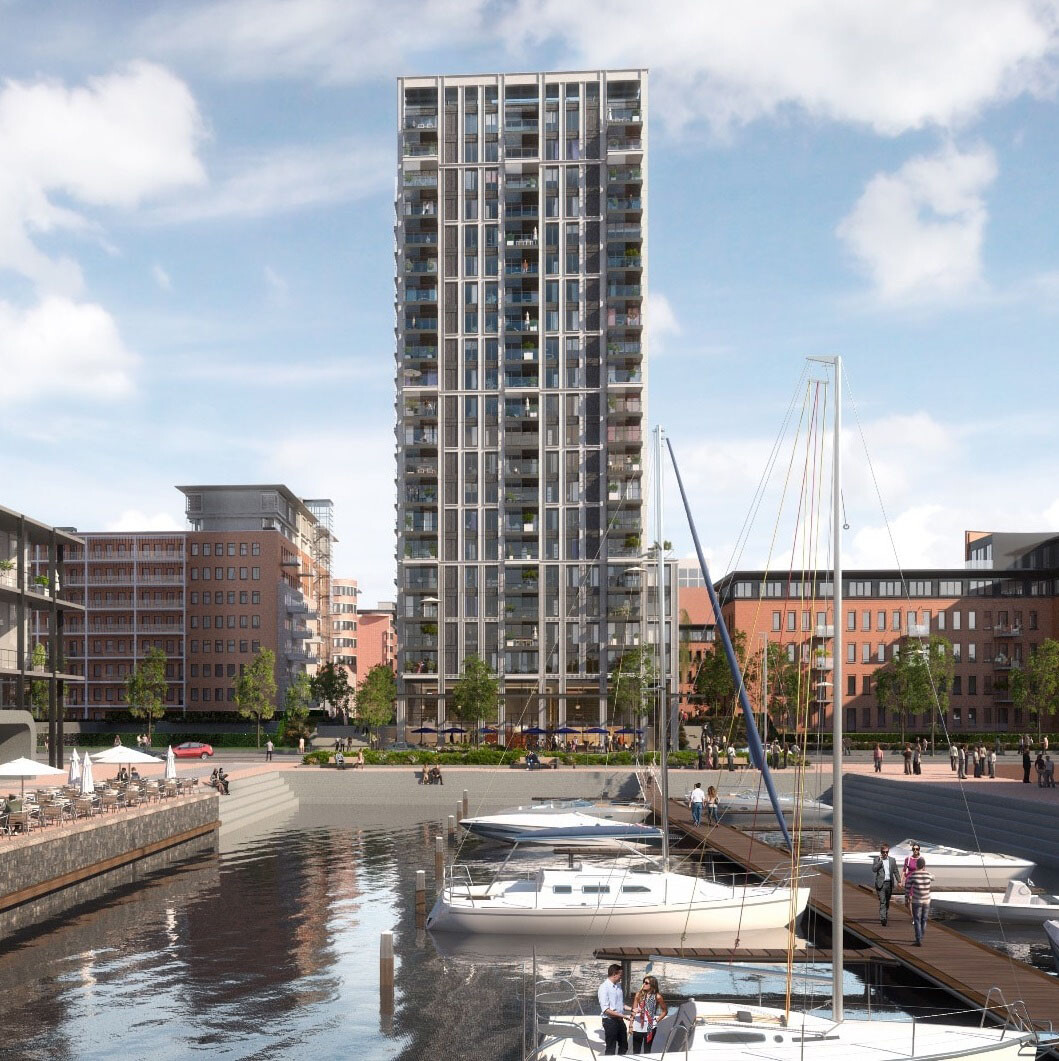
Binckhorst is a 136-hectare former industrial estate with more than 120 landowners, which The Hague is transforming into a high-density mixed-use district. The current environmental plan allows for 5,000 homes. A 19 June 2026 national–regional agreement on accelerated housing delivery lays the foundation for a further 7,500 to 8,000 homes. Binckhorst has been designated one of 24 national breakthrough locations. Defining features include its dedicated sustainable heating network, BinckNet, mandatory green roofs and the planned Vlietlijn tram line. Developers active in the area include AM, VORM, BPD and Dura Vermeer.
Recently designated as a nationally supported breakthrough location with co-financing, Binckhorst could expand from 5,000 to 12,500–13,000 homes. Its dedicated heating network and mandatory green roofs provide a strong ESG profile.
Large-scale area developers and residential investors. The ‘We Think Binck’ consortium, including AM, BPD and VORM, is an active partner (inference; not an official statement).
Planning
The current phase, comprising 5,000 homes, is under construction. An expansion to more than 12,500 homes is in preparation, with decisions expected in 2026–2027.
The project
A former industrial estate is being transformed into a high-density mixed-use district for living and working.
Milestones
2018: environmental plan for 5,000 homes. 19 June 2026: national–regional agreement for an additional 7,500–8,000 homes. Decisions on the area programme are expected in 2026–2027.
Investment opportunity
A nationally supported breakthrough location with recently committed co-financing; the ‘We Think Binck’ consortium is seeking partners.
Why this area?
Centrally located between The Hague, Leidschendam-Voorburg and Rijswijk, directly adjoining the CID.
Sustainability
The BinckNet sustainable heating network can expand to 20,000 homes and has geothermal potential; green roofs are mandatory.
Mobility
A low-car district with the Vlietlijn tram and a strong focus on cycling and public transport.
Urban living
A waterfront park, social innovation, nature-inclusive construction and diverse communities.
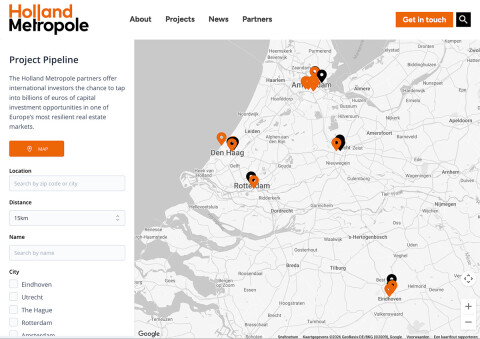
This digital map shows the largest area developments and investment opportunities in the Holland Metropole