
Location:
Amsterdam (North)
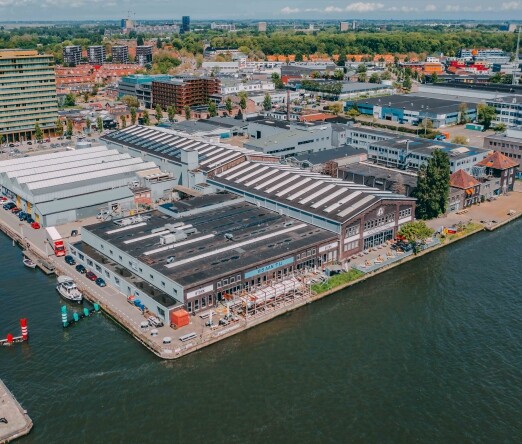
From industrial estate to a mixed-use IJ waterfront district, with approximately 6,500 homes and space for urban manufacturing in Amsterdam-Noord.
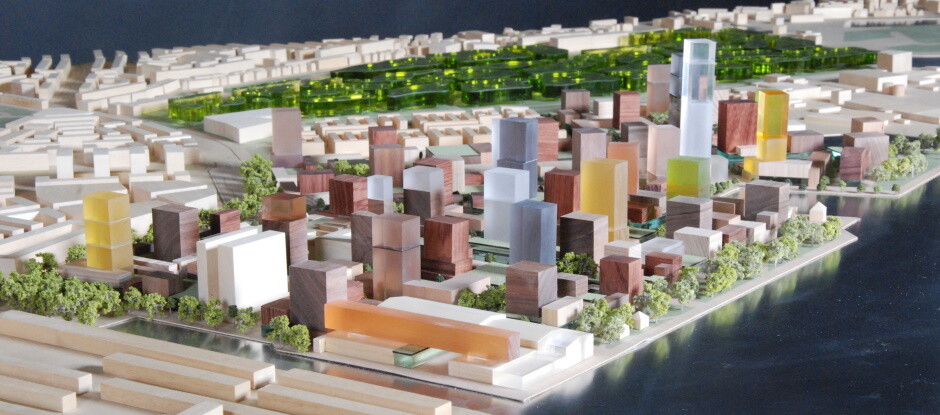
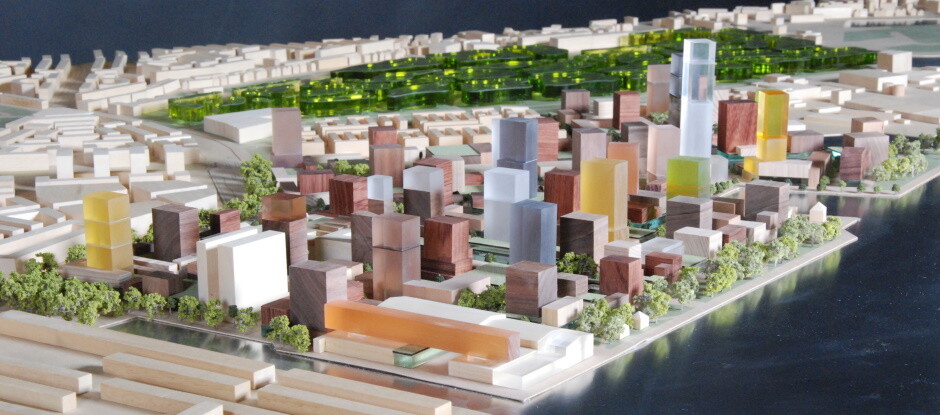
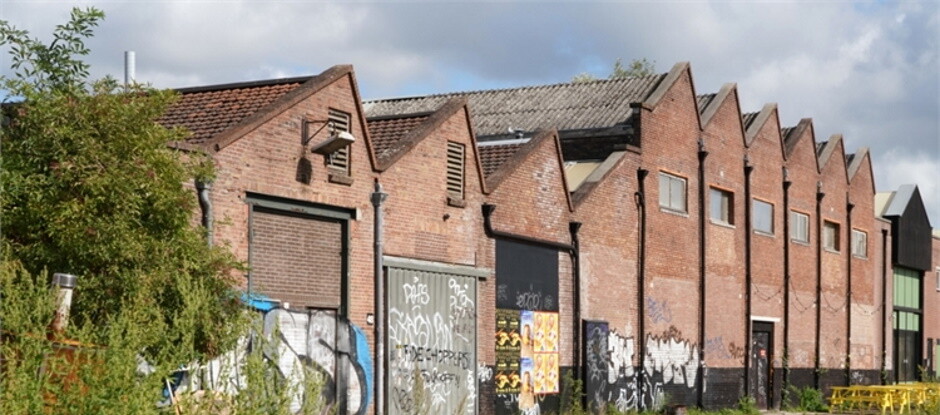
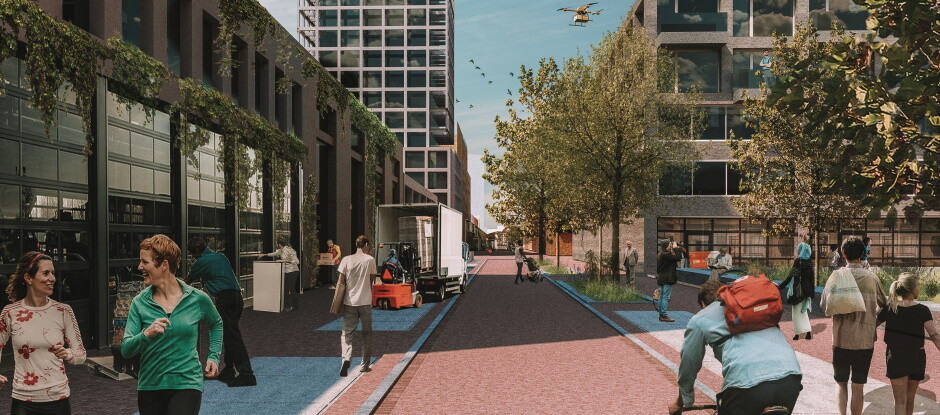
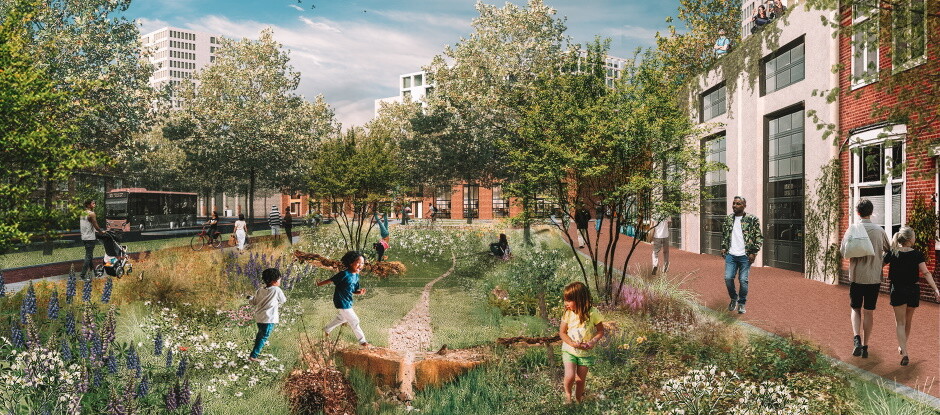
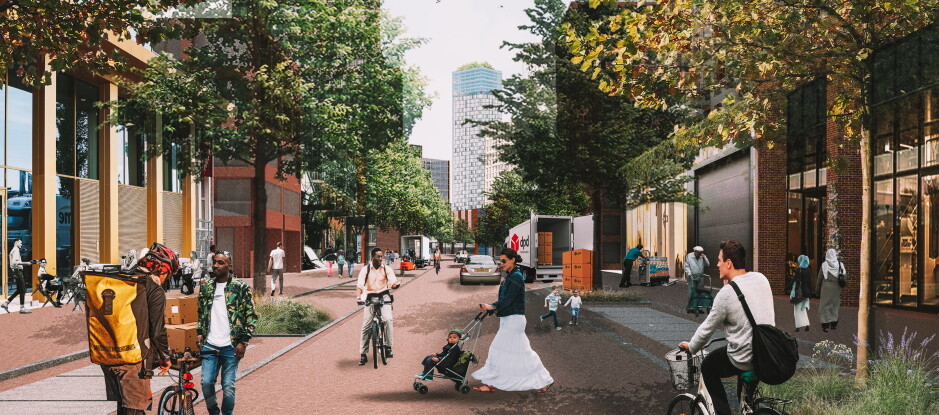
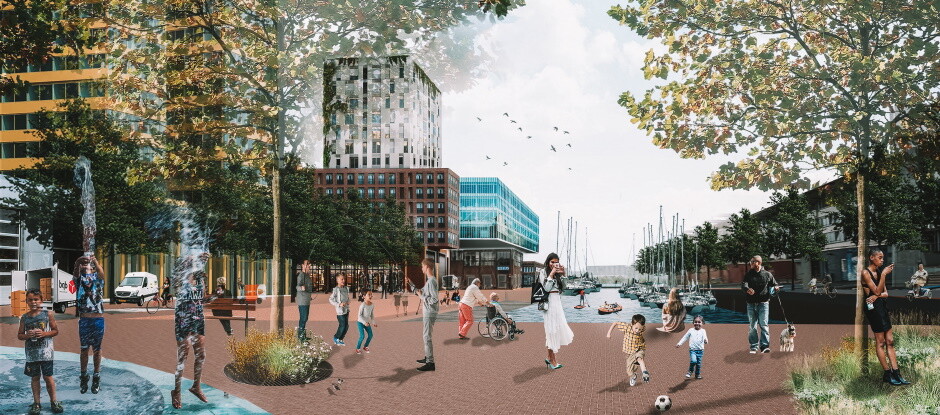
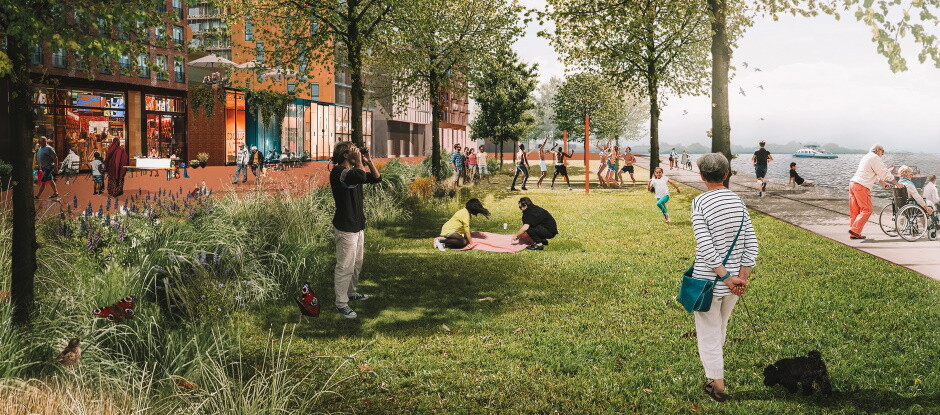
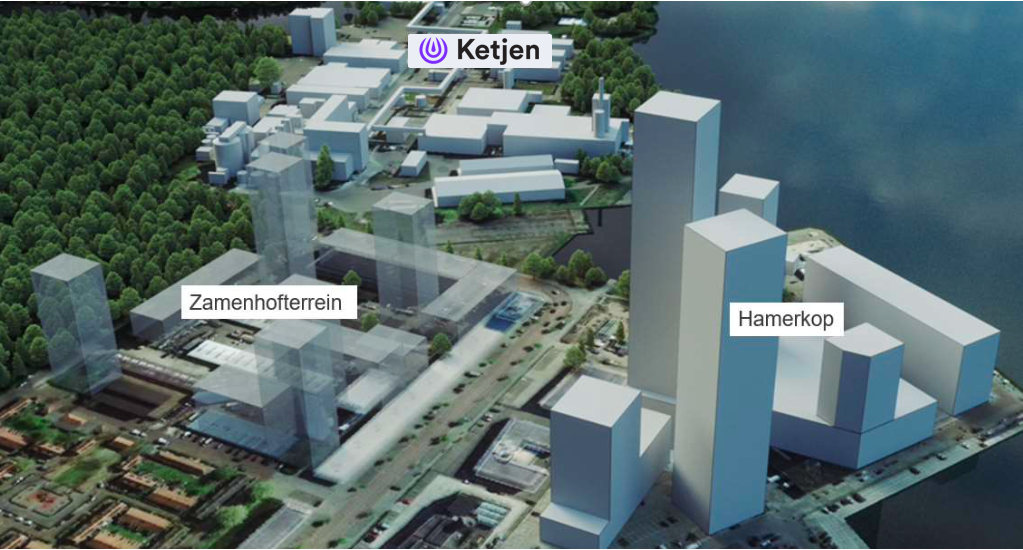
Hamerkwartier in Amsterdam-Noord is being transformed from a creative employment area into a mixed-use neighbourhood for living and working along the IJ. The plan includes approximately 6,500 homes—30% social rent, 40% mid-market rent and 30% private-sector housing—across around 45 towers, alongside maker spaces, a technical school, primary schools and an IJ waterfront park. The listed Kromhouthal will remain as the cultural heart. After years of legal proceedings over safety distances with chemicals company Ketjen, the municipality and company reached an agreement in early 2026, clearing the way for the first construction phases. The municipality does not own land in the area; development will proceed through private landowners, including Eigen Haard, AM and Amvest.
The February 2026 agreement with Ketjen has removed a key legal obstacle. Its scarce IJ waterfront location in Amsterdam-Noord is attractive, while entry is possible through existing landowners rather than a municipal tender.
The opportunity is most relevant to developers and investors seeking plot positions or partnerships with parties such as Eigen Haard, AM and Amvest (inference; not an official statement).
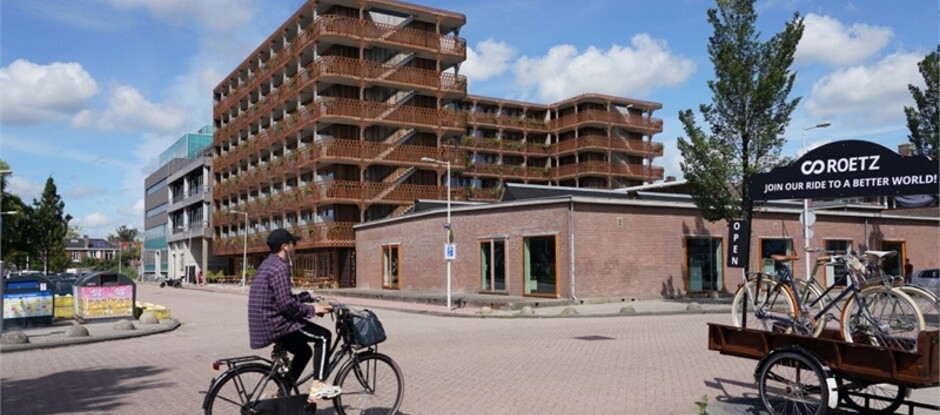
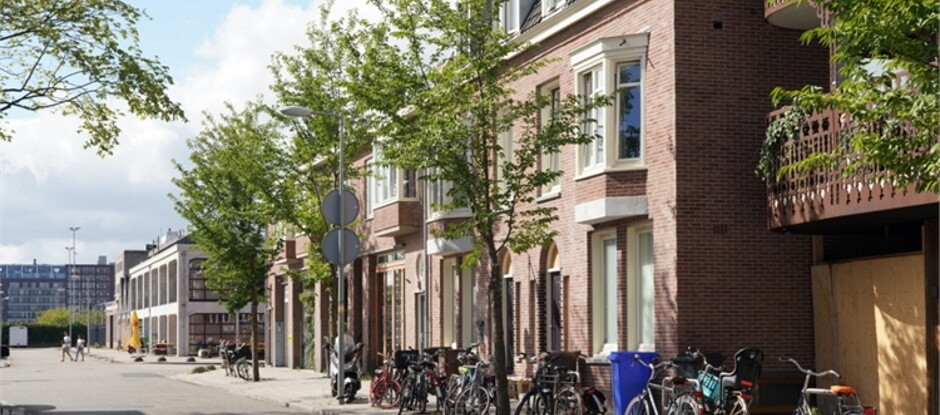
Planning
Early delivery phase; the full transformation is expected to take 15–20 years, through approximately 2040–2045.
The project
A former industrial estate is being transformed into a mixed-use neighbourhood for living and working on the IJ waterfront.
Approximately 6,500 homes.
A technical secondary school, two to three primary schools, a sports hall, cultural facilities, space for urban manufacturing, an IJ waterfront park and approximately 45 towers.
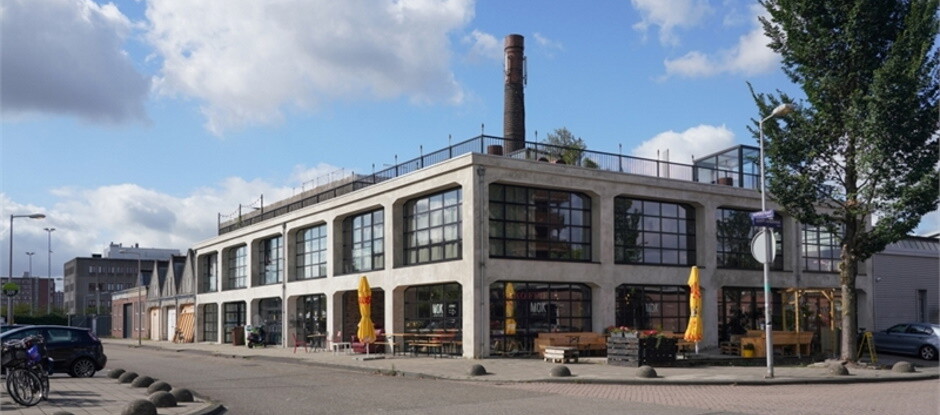
Kromhouthal, a listed industrial hall retained as the cultural and urban-manufacturing heart of the district.
Milestones
February 2026: agreement with Ketjen. 2026: construction starts at the Stork site by Eigen Haard and ERA Contour. The full transformation is expected to take 15–20 years.
Investment opportunity
The municipality does not own land in the area. Entry is possible through acquisition from, or collaboration with, landowners including AM, Amvest, VORM, COD and Steengoed.
Why this area?
Directly on the IJ in Amsterdam-Noord, as part of the wider transformation of Amsterdam-Noord, including NDSM and Overhoeks.
Ferry connections to the city centre and a future Eastern Bridge, with an emphasis on cycling and public transport.
Amsterdam-Noord is undergoing broad transformation, including NDSM and Overhoeks, alongside a growing creative and urban-manufacturing economy.
A mix of 30% social rent, 40% mid-market rent and 30% higher-priced rental or owner-occupied homes, aimed at young professionals, families and local movers.
Sustainability
Nature-inclusive construction, a district heating network, and a strong emphasis on cycling and walking.
Mobility
The waterfront park and cycling and walking routes support sustainable mobility. Residents have raised concerns about a potential doubling of car ownership.
Urban living
The ‘undivided neighbourhood’ concept combines living and working while retaining the area’s urban-manufacturing character.
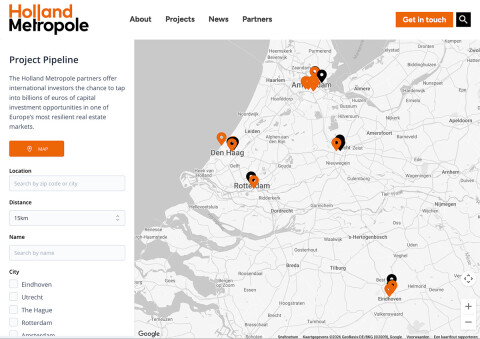
This digital map shows the largest area developments and investment opportunities in the Holland Metropole