
Location:
Utrecht (Southwest)
One of the Netherlands’ largest car-free inner-city neighbourhoods, with its own energy and mobility systems.
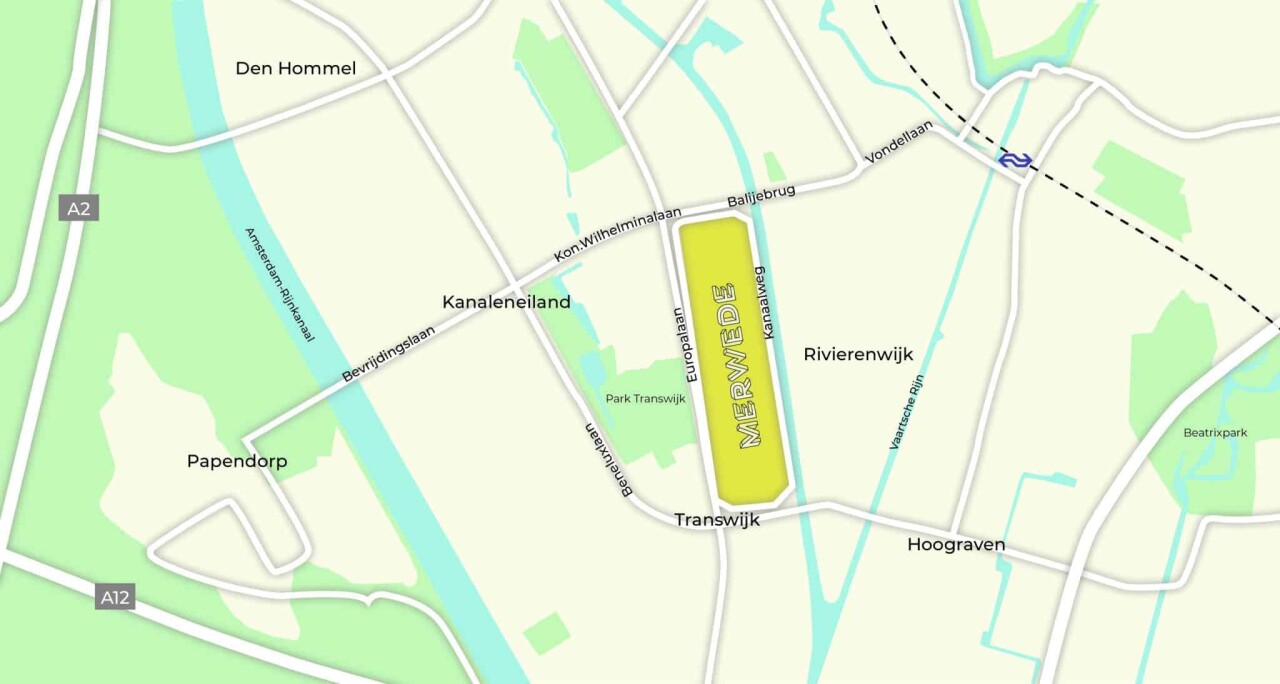
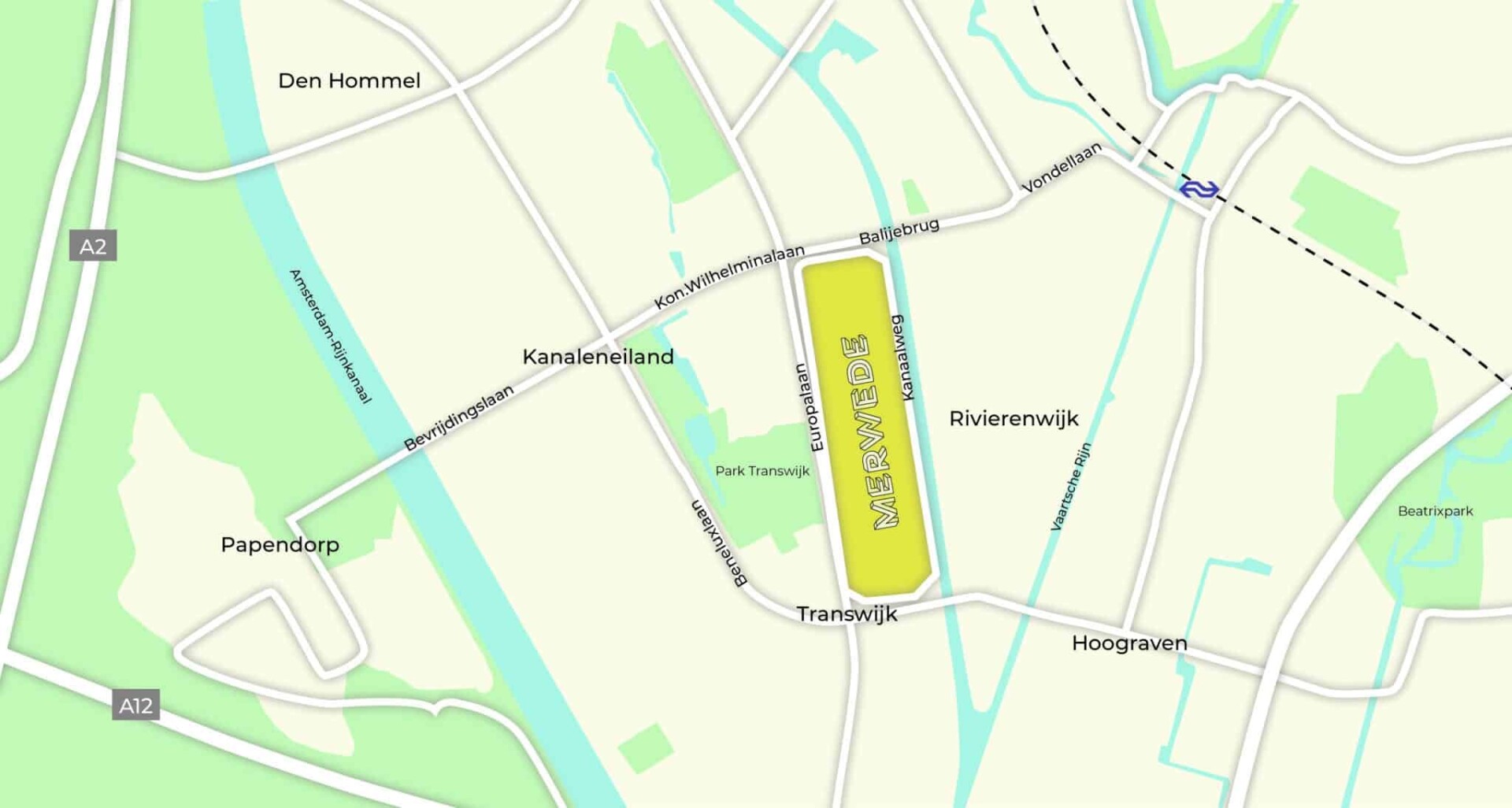
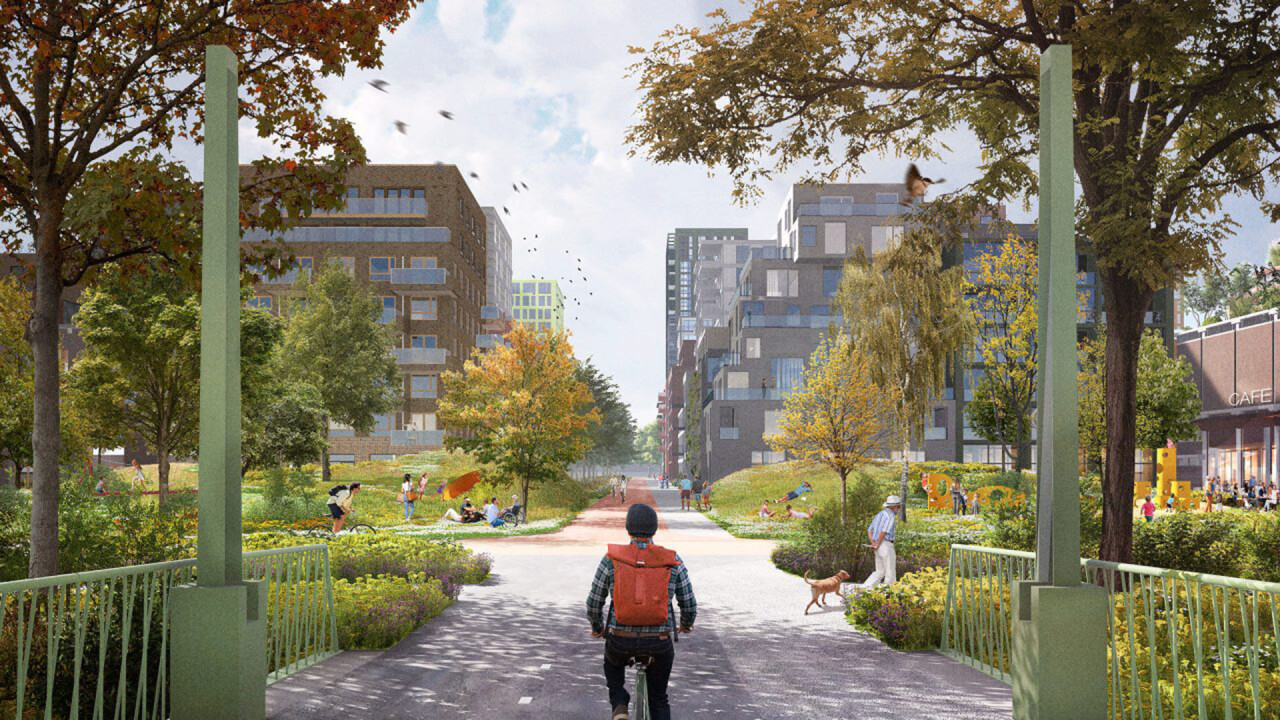
Merwede is the largest sub-area of Utrecht’s Merwedekanaalzone and will become one of the Netherlands’ largest car-free inner-city neighbourhoods. It will provide approximately 6,000 homes, more than half of them affordable, for more than 12,000 residents, with schools, sports facilities and hospitality within walking distance. Parking is limited to the edge of the district, with a parking standard of 0.3; residents will instead use a shared mobility provider. A collective thermal-energy system will reduce energy use substantially compared with individual heat pumps. After a 2.5-year delay caused by an appeal procedure, investor Greystar started construction of the first more than 900 homes in December 2025.
Construction has begun with Greystar’s December 2025 project, providing a concrete track record. The innovative energy and mobility concept can reduce operating costs, while Utrecht is the Netherlands’ fastest-growing city.
Institutional residential investors focused on sustainable mid-market rental housing, comparable to Greystar and Round Hill Capital (inference; not an official statement).


Planning
Medium-term development: phase 1 through approximately 2030, followed by phase 2.
The project
A former industrial estate is being transformed into a car-free, sustainable urban neighbourhood.
Approximately 6,000 homes.
Schools, sports facilities, hospitality, creative workspace, mobility hubs and four parking garages.
There is no separate iconic building; the car-free neighbourhood concept itself is the distinctive asset.
Milestones
October 2021: urban plan adopted. After a 2.5-year delay caused by an appeal procedure, Greystar started construction of approximately 984 homes in December 2025.
Investment opportunity
Phase 2, comprising the remaining homes within the 6,000-home programme, is still to be developed. Entry is possible through the landowners’ consortium.
Why this area?
In southwest Utrecht along the Merwedekanaal, as the first step in the future A12 zone.
Sustainability
A collective aquifer thermal energy storage system will use substantially less energy than individual heat pumps, supported by an energy cooperative.
Mobility
A parking standard of 0.3, no private parking spaces, a mobility subscription for residents and parcel delivery through mobility shops.
Urban living
A car-free setting with green courtyards, squares and parks, and all daily amenities within walking distance.
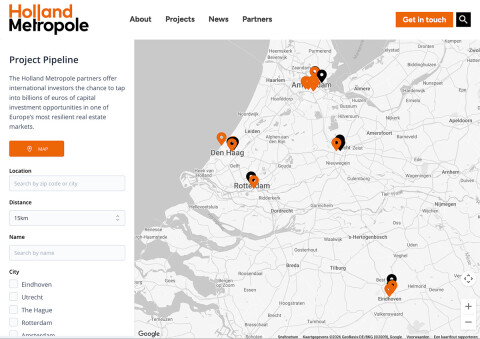
This digital map shows the largest area developments and investment opportunities in the Holland Metropole