In development
Location:
Amsterdam (East)
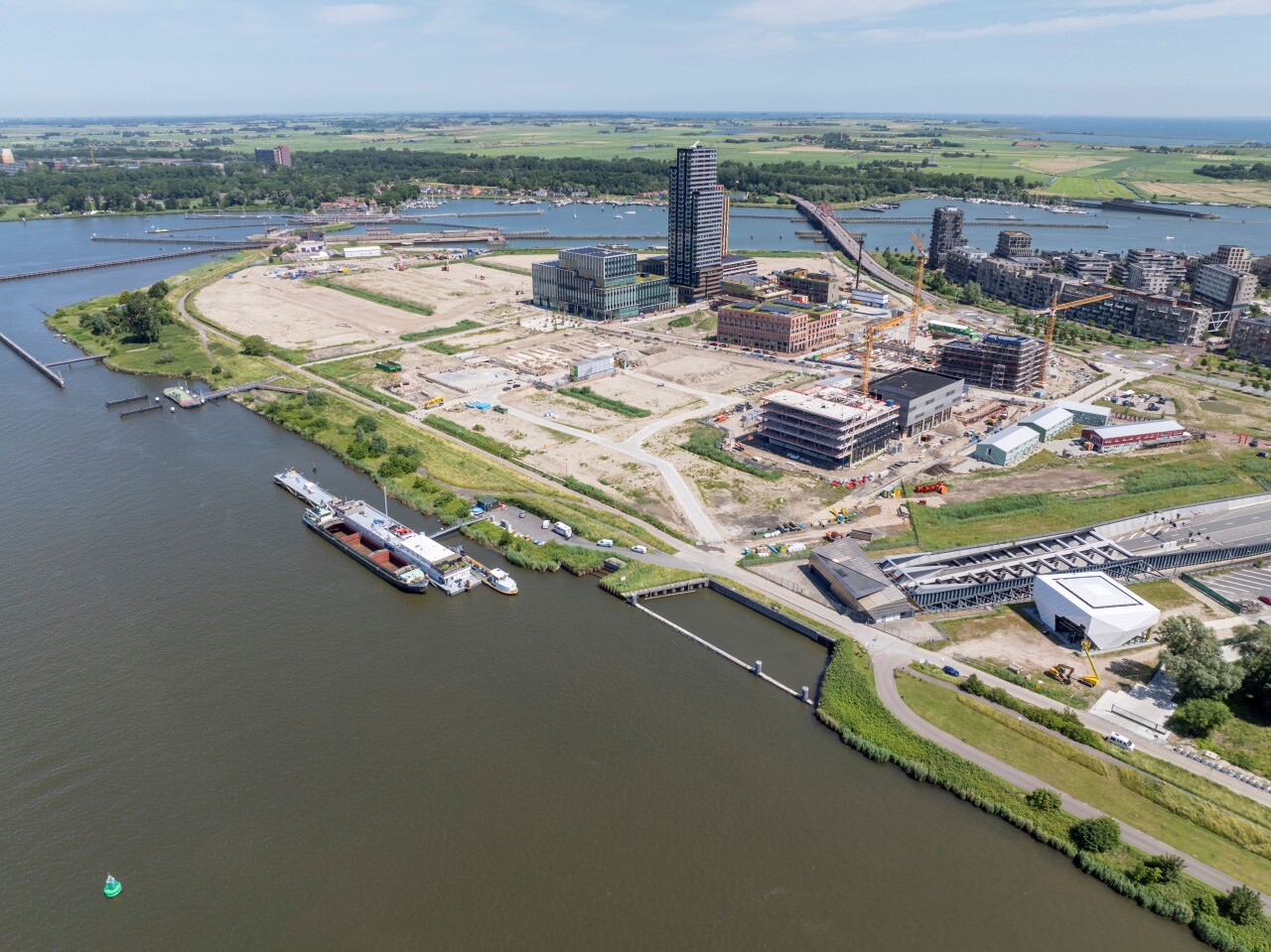
A sustainable Amsterdam neighbourhood on Zeeburgereiland, on the waterfront.
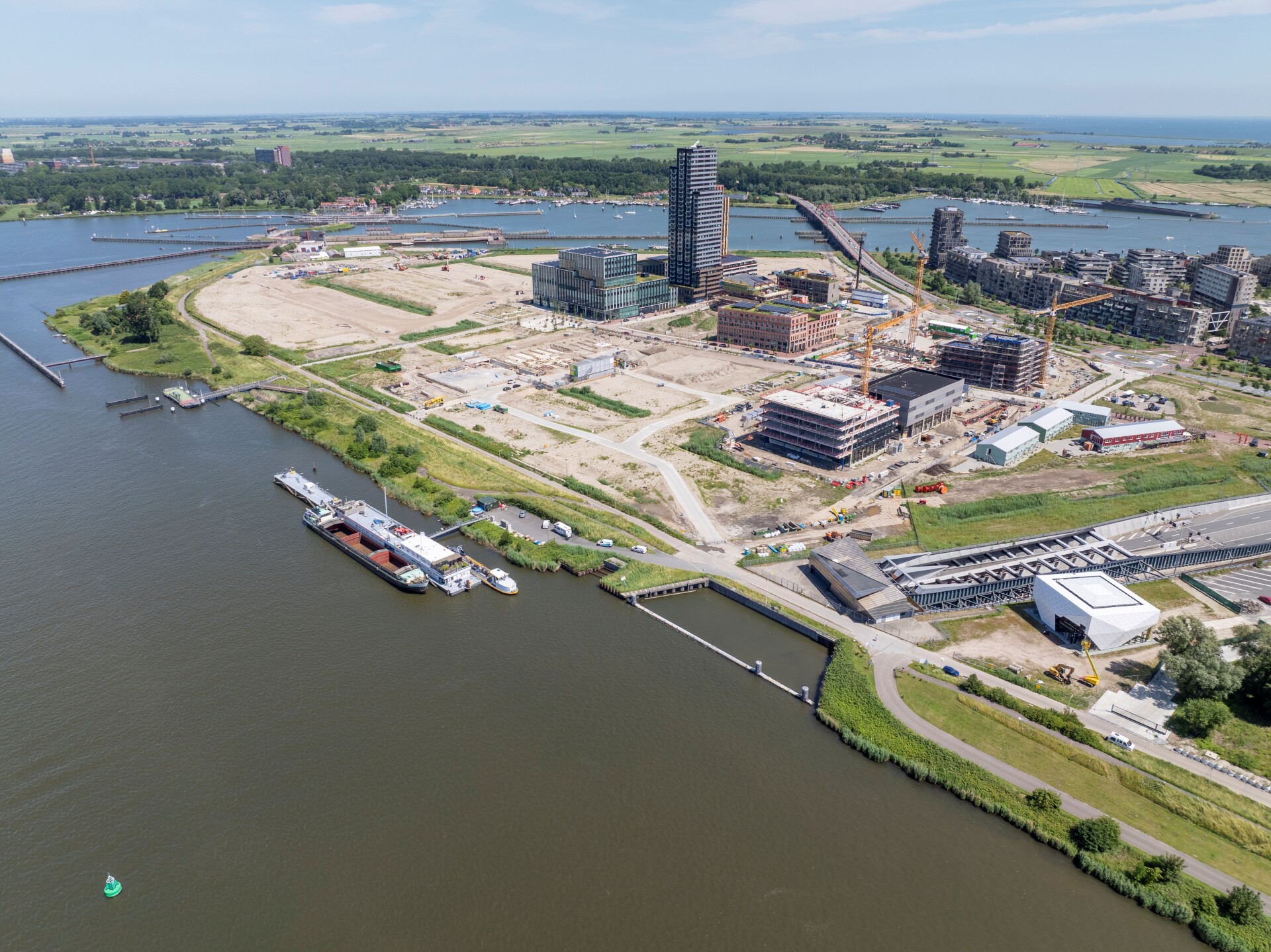
The Sluisbuurt on Amsterdam's eastern fringes is being developed into a sustainable, green district on the waterfront, as part of a larger area development on the island. The first residents moved in at the end of 2024, and the area will eventually provide 5,750 homes with supporting facilities. Housing will be a mix of social, mid-range and private sector rental and owner-occupied apartments, mainly in medium- and high-rise towers, designed for all types of households, from families and students to single people and older residents. Green and public space are central to the design: a large water square in the middle of the district will serve as a meeting point for residents, complemented by two major parks and smaller green spaces spread throughout the neighbourhood, giving residents easy access to outdoor areas alongside the new housing and schools. Buildings are being delivered at a steady pace through tender releases, with developers and investors each holding a position per plot.
Fase / investeringshorizon
Short-term delivery phase: up to 2035
The project
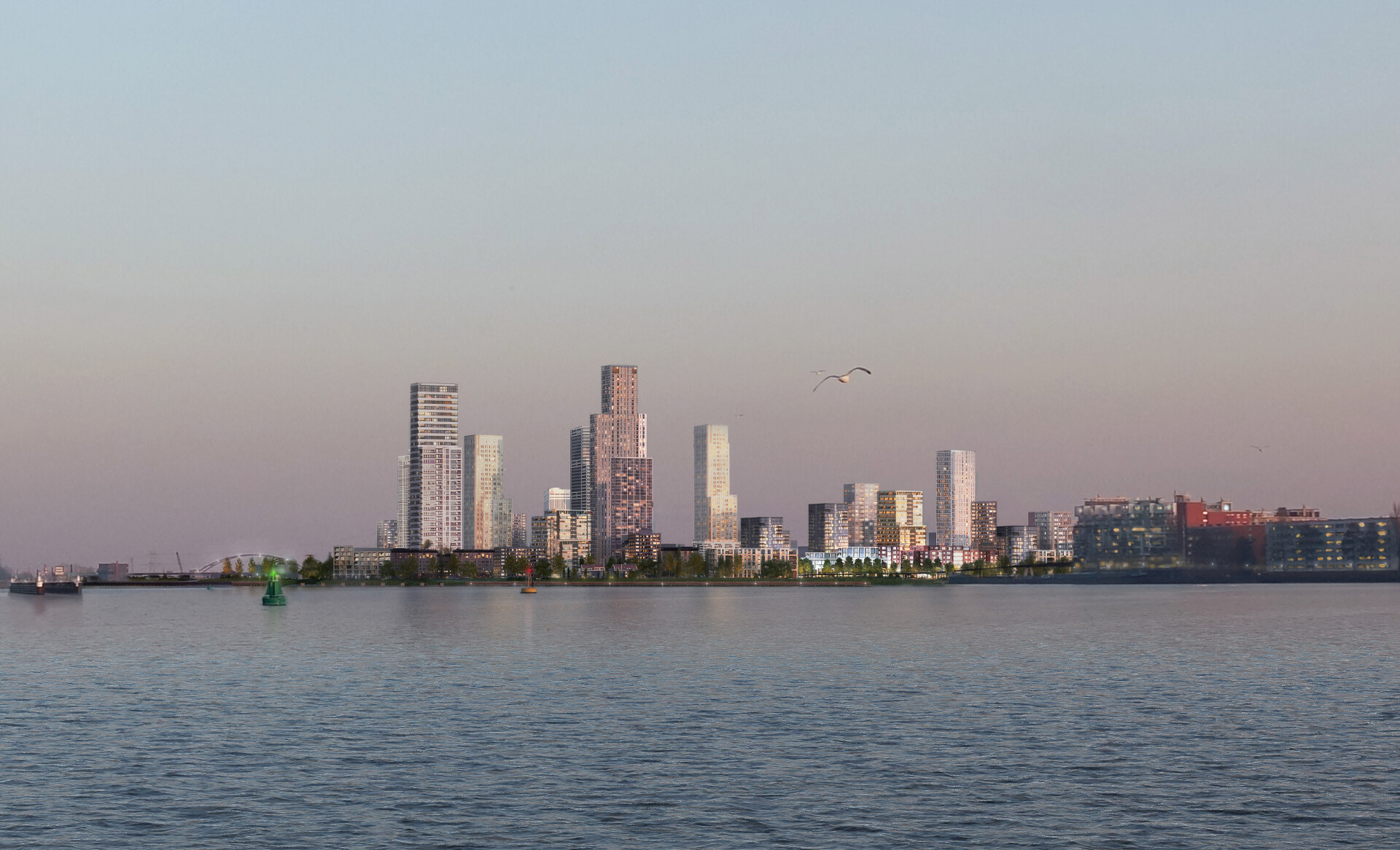
A new residential district on an island, comprising ca. 5,500 homes together with amenities and secondary and higher education. The programme includes parks, primary schools, shops, culture, hospitality, and secondary and higher education (Inholland), with the district forming a new skyline along the water.
Planning (belangrijkste mijlpalen)
2020: development strategy launched. Sub-areas phased through to 2040.
Wat is de concrete investeringskans?
Entry per sub-area once the zoning plan (bestemmingsplan) is finalised; the market is actively invited to participate by the municipality.
Waarom juist deze locatie?
The area covers 650 hectares within the A10 ring road, about a 10-minute cycle from the city centre, along the IJ waterfront. It is served by tram line 26, alongside investments in cycling and water-based connections. This is a complete urban district with supporting amenities, with the main focus on housing. The target group is broad, with a strong emphasis on affordability given the scale of the task.
ESG / duurzaamheidsambities
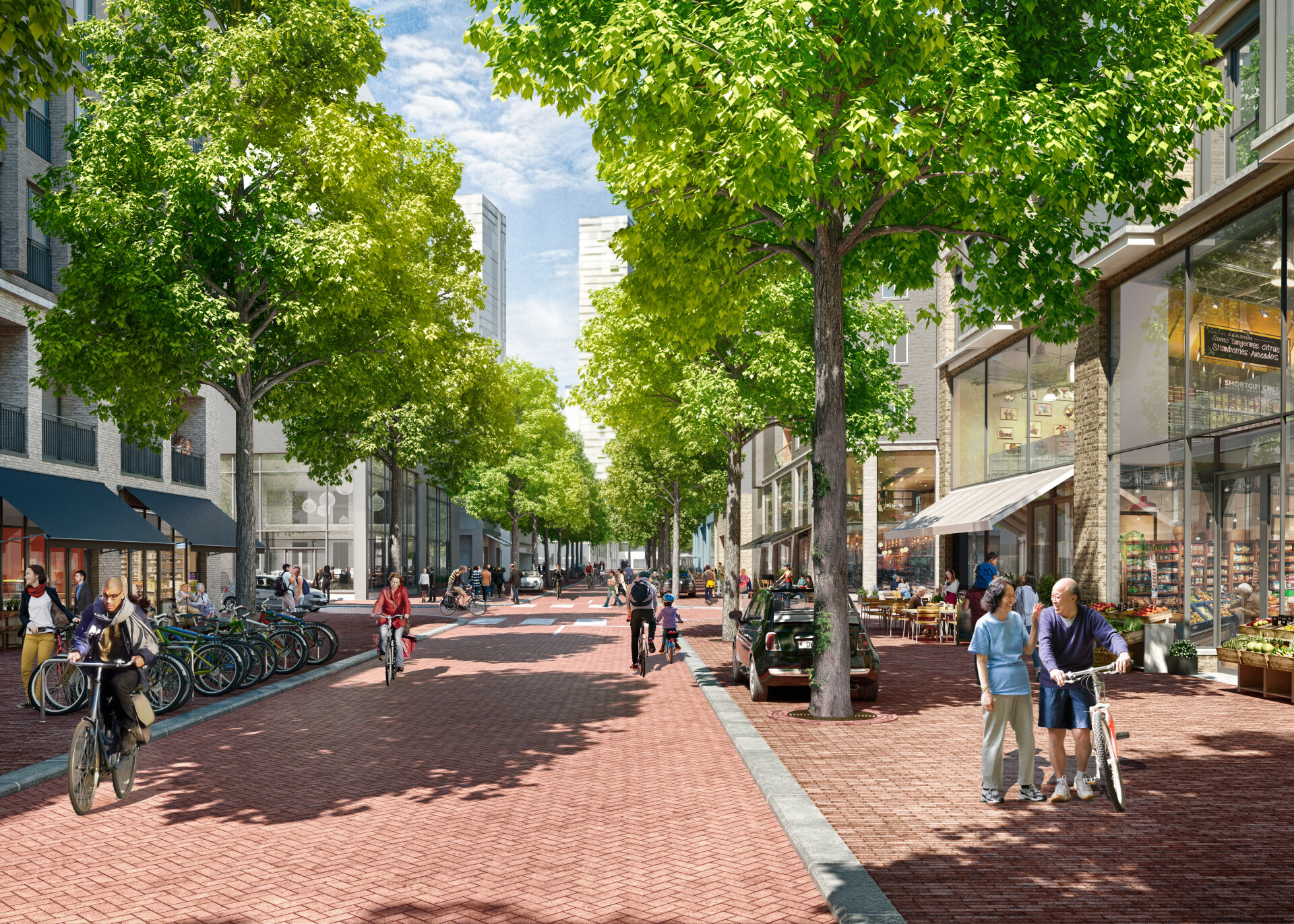
Sustainable, nature-inclusive and climate-adaptive, with a focus on cycling and walking.
Mobiliteit
Street space prioritises cyclists and pedestrians, with car use kept to a minimum.
Leefkwaliteit
Schools, healthcare, green space and sports are an integral part of 'fully-fledged' live-work neighbourhoods.